
Intelligence and orchestration
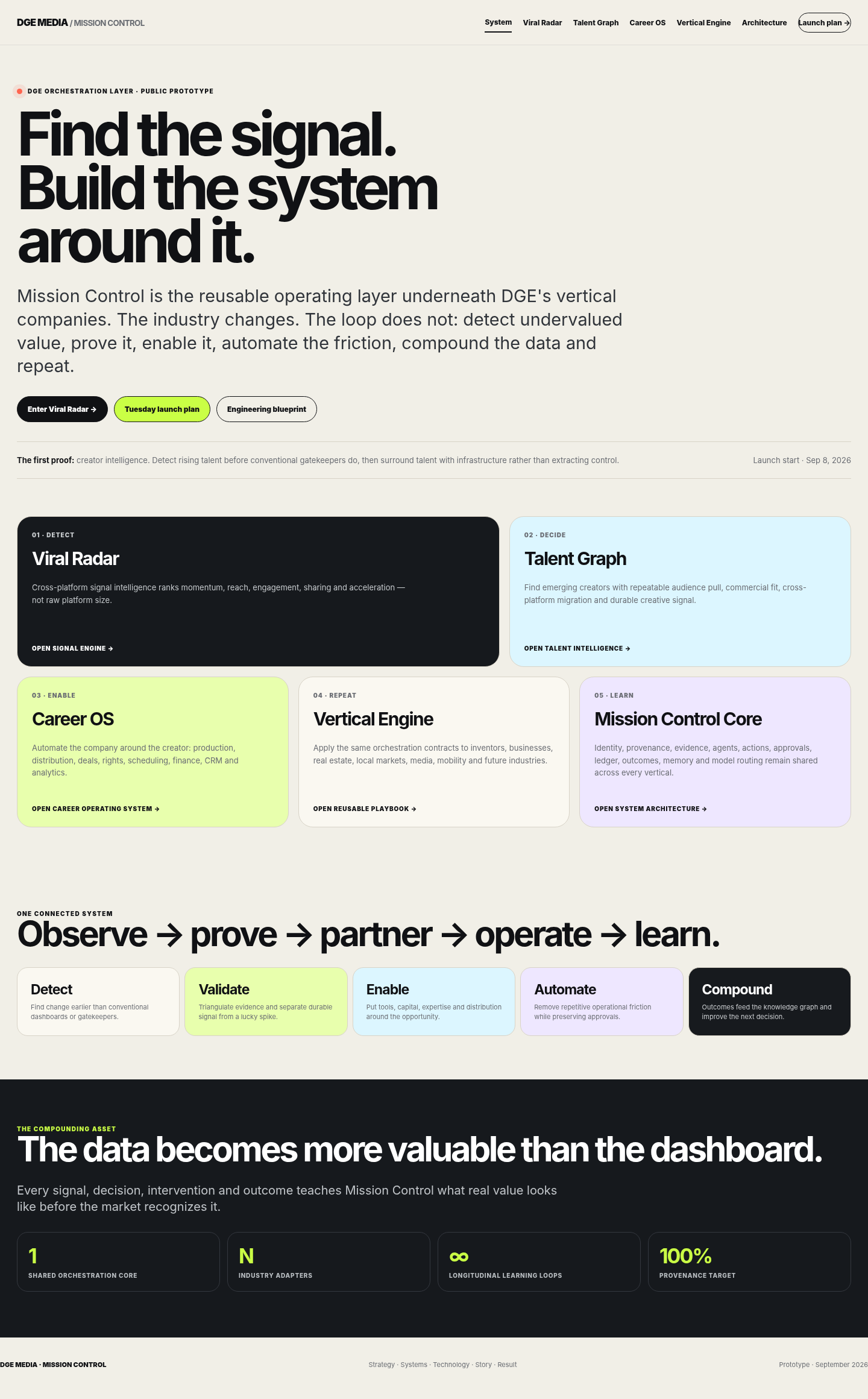
Mission Control, Capsul, Career Intelligence, and Viral Radar explore how evidence can support better decisions and useful action.

The finished system often appears before the problem has a name. Then comes the work: trace the dependencies, find the bottleneck, and figure out what has to move first.
That is the thread through Devin Ewart's work. A silverware bin. A retail experience. An international decision system. An intelligent wheel. Different problems, connected by the same habit of looking past the task in front of everyone.
Explore the evidence → See what the pattern is building now →
The childhood design combined several sources of electricity with solar generation built into the vehicle's body panels. The engineering vocabulary came later. So did much of the technology needed to make the idea practical.
The question was already there: how could the pieces work together?
A Sega Game Gear with a television tuner made an obvious question hard to ignore. If a handheld could run games and display television, why couldn't it handle communication and phone calls too?
That was an early observation about technologies converging. Years later, carrying those capabilities in one device became ordinary.
In middle-school shop class, Devin built and solved the Tower of Hanoi. Three posts. A stack of discs. Move one disc at a time, and never put a larger disc on a smaller one.
The destination is easy to picture. Reaching it requires a sequence that respects every constraint along the way. Sometimes progress means moving a piece away from where it eventually belongs.
That puzzle connects to recursive reasoning, planning through possible states, and keeping track of what each move makes possible. It has also appeared in research evaluating AI reasoning. The connection matters because it gives a name to a habit that was already present: see the outcome, then work backward through the moves.
AI research using Tower of Hanoi
Personal history, as recalled by Devin. Original childhood drawings and the shop-class puzzle have not yet been recovered.
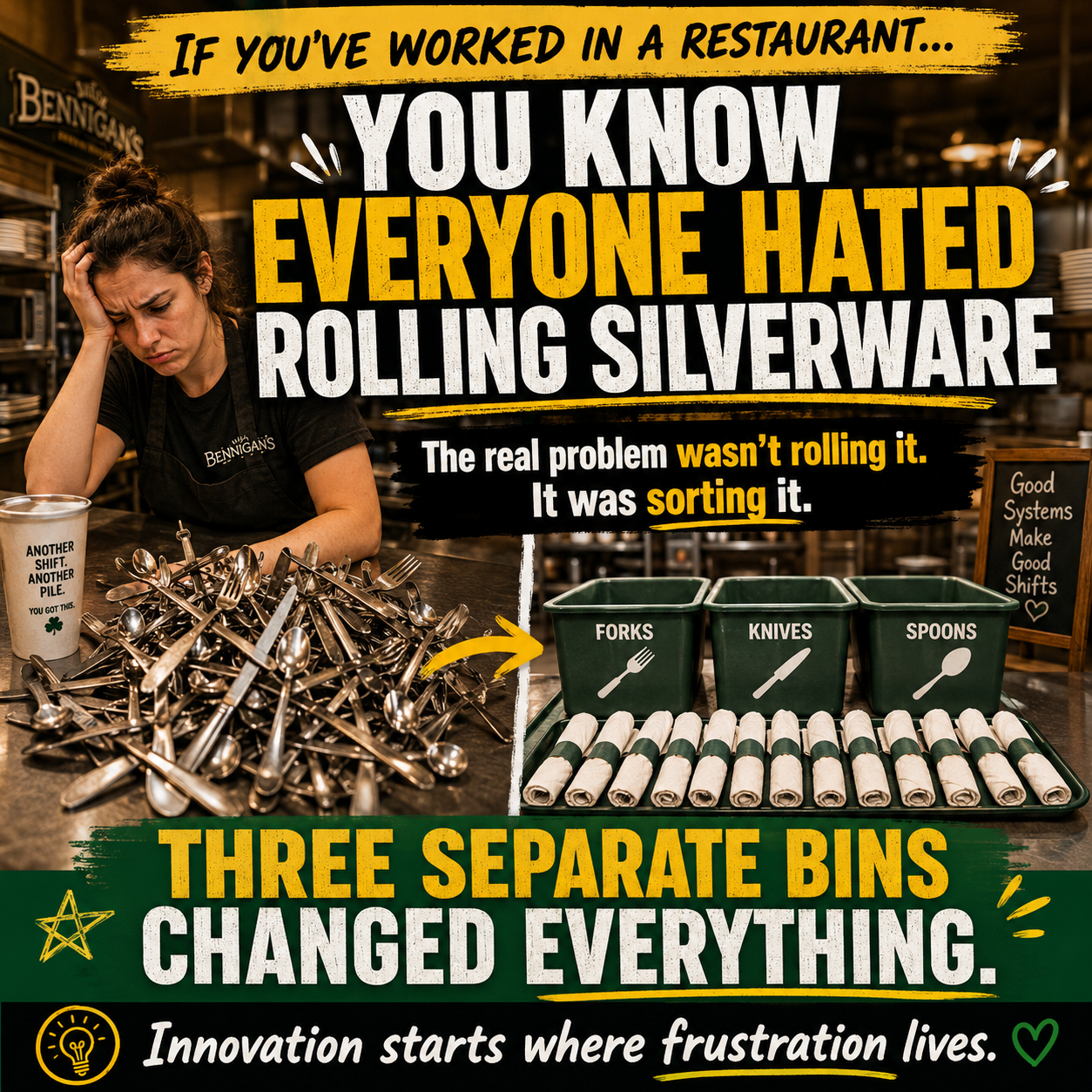
Forks, knives, and spoons went into the same collection bin. Later, employees spent paid side-work time separating them again.
Separate the collection bins. The sorting job disappears.
At sixteen, that small change made a larger point clear. A few minutes can look insignificant until the same task repeats across employees, shifts, and locations. Then the organization is paying for the same avoidable problem over and over.
Before making a task faster, ask why the task exists.
Devin later helped launch 12 restaurant operations. The silverware lesson still applies wherever people spend their day working around a process nobody has questioned.
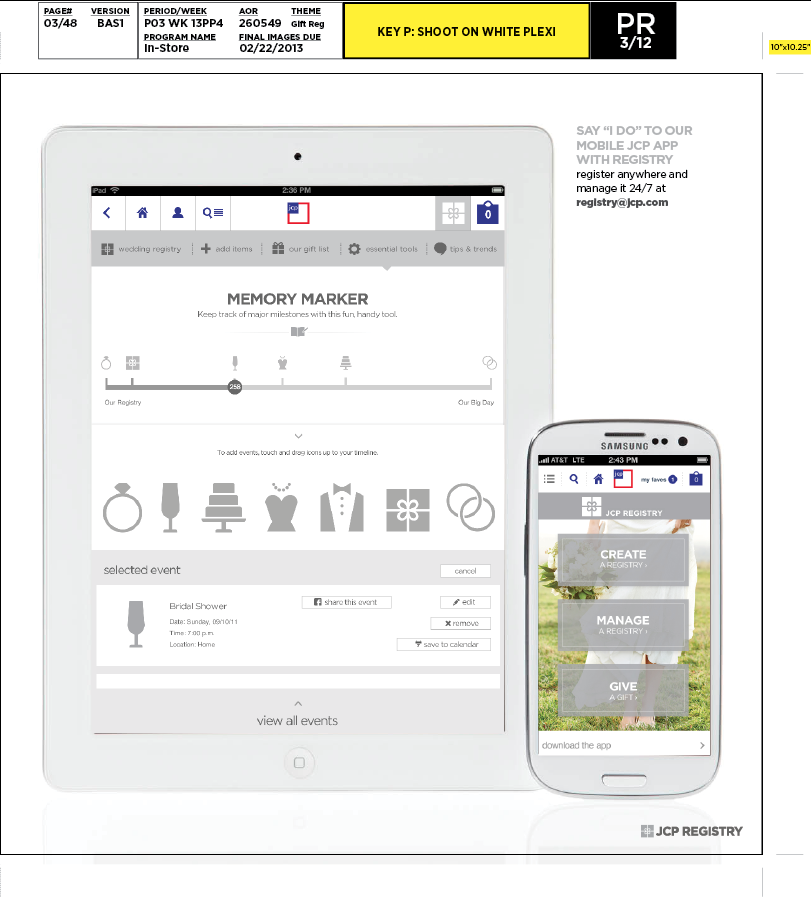
Customers move between a website and a physical store. Inventory, service, and checkout need to keep up.
Devin's connected-retail concept brought those pieces together. Bluetooth Low Energy could help establish a customer's location. Inventory information could show what was available. The experience could suggest a relevant product, support self-checkout, or route a low-stock order.
Human service was part of the design. An associate could offer help when a customer lingered in an area and appeared to need assistance.
The useful question was what the customer needed next, and which part of the system could provide it.
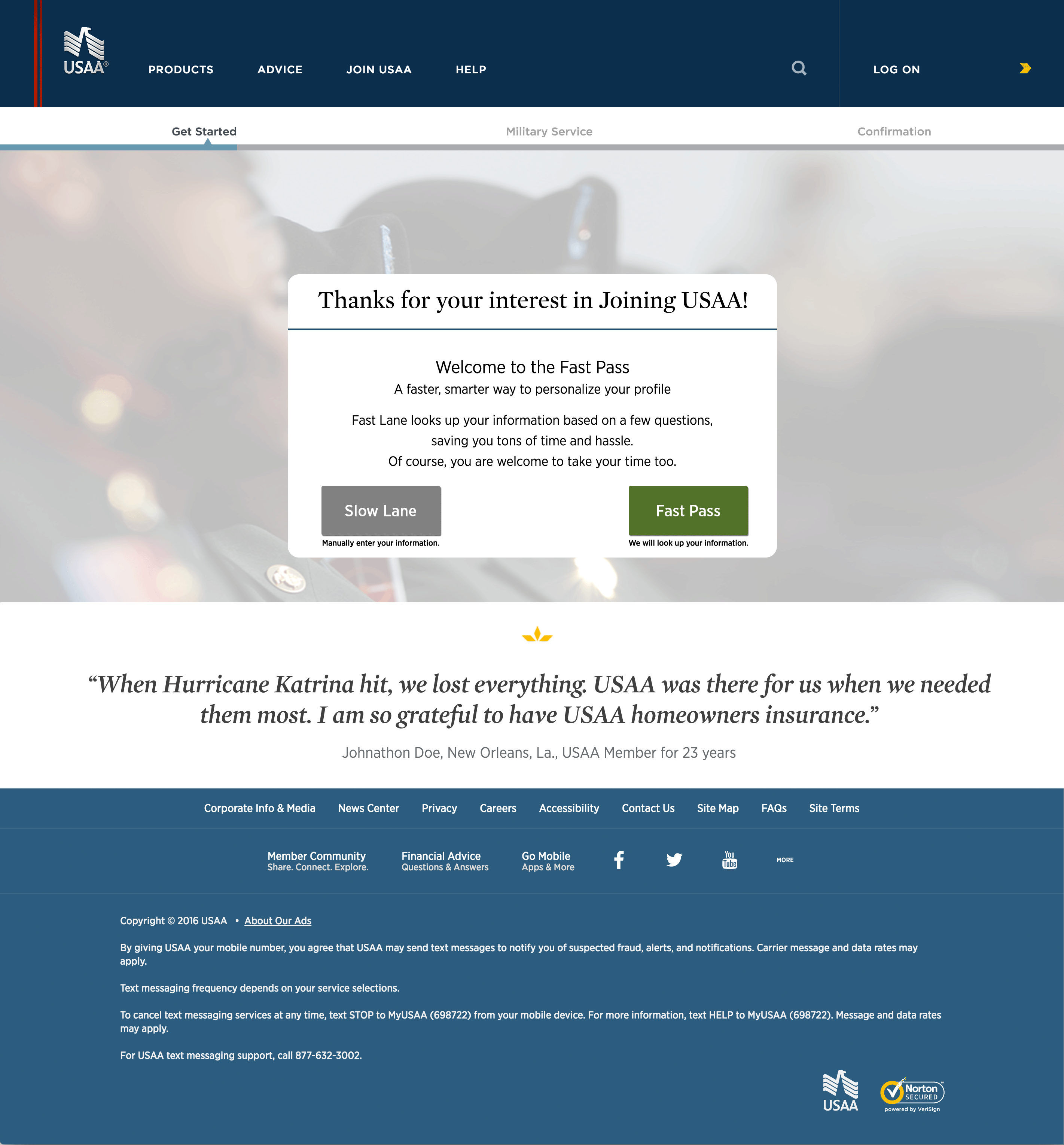
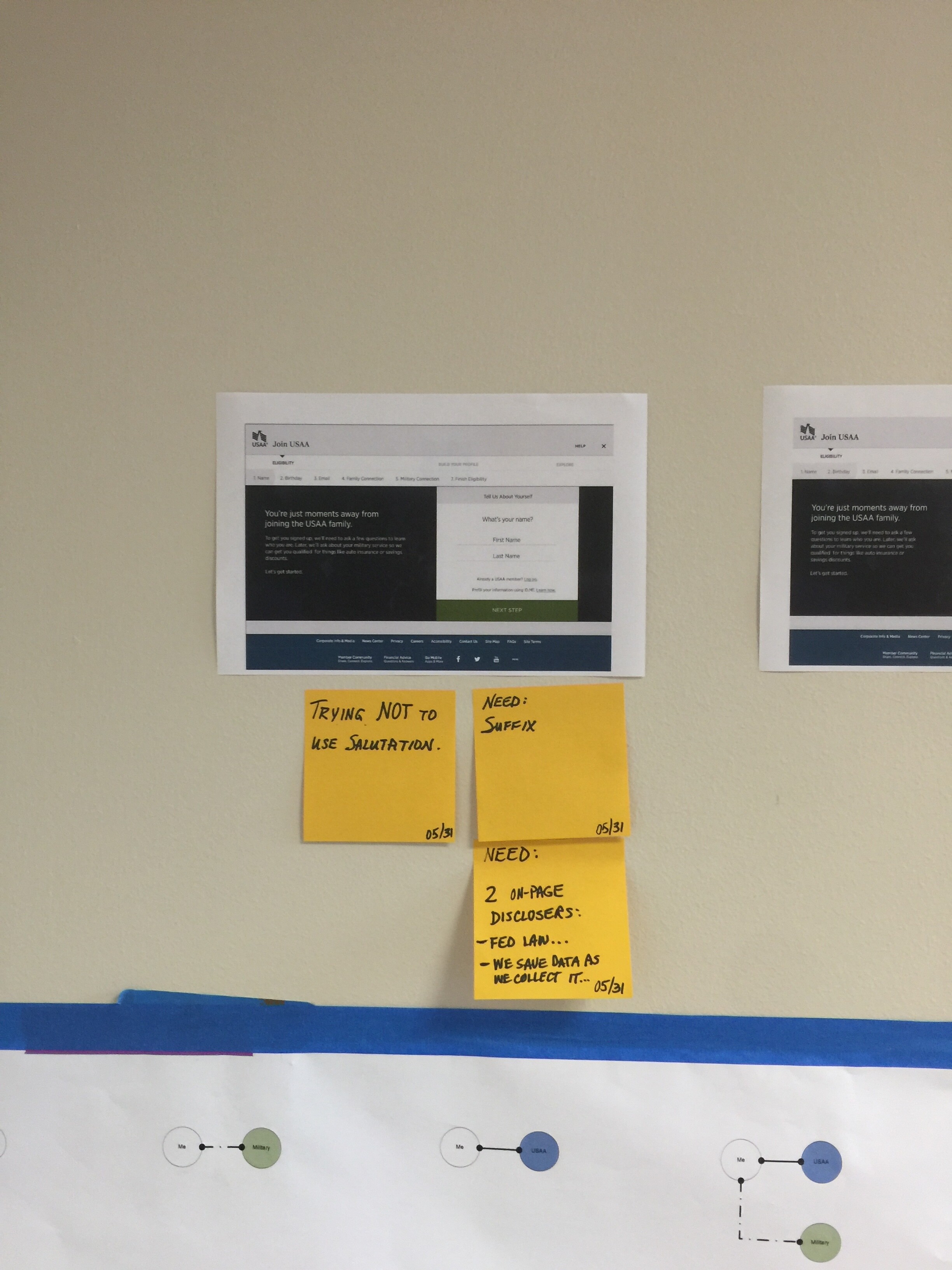
The existing eligibility journey involved more than 300 questions. Some of the information could already be established through trusted sources.
Devin helped design Fast Pass around that opportunity. A few questions and LexisNexis-supported identification could reduce repetitive entry. People who preferred to enter their information themselves still had a manual route.
Less friction. Choice intact.
Sales, traffic, and finance each held part of the answer. A shared intelligence layer brought those views together across eight international markets.
Devin connected the information so teams could see demand and commercial performance without spending as much of the day collecting and re-entering data. The reported reduction in office and data-entry time was approximately 75 to 80 percent.
When live sports disappeared during the pandemic, that visibility helped surface a different commercial opportunity and supported a faster response. The dashboard mattered because teams could act on what it revealed.
Career result reported by Devin. The time-saving estimate refers to office and data-entry work, not total company operating costs.

The JCPenney concept used Bluetooth Low Energy, or BLE, to connect location with a useful next action. A customer’s position could help the store offer assistance, find a product, or reduce friction.
Years later, Devin applied that same idea to Manufacturing. A wheel touches the operation every time equipment moves. What could that movement tell the people responsible for it?
iWheel brought the connection into a physical product. The work joined the wheel, BLE, location information, and software so equipment could become part of a connected system.
Devin connected product strategy with the requirements for an extensible platform: a modular approach to FCC product identification, privacy and data rights, liability, software-update rights, and certification planning and follow-through.
The FCC registration record names Devin Ewart as the contact for the Manufacturing company’s registration. His work included registration administration and coordination of the product’s regulatory requirements.
Those decisions shape what can be added later, what information can be used, and who is responsible when the product changes. They belong in the design from the beginning.
A print-heavy real-estate marketing operation needed a less expensive way to reach more people. The work shifted spending and distribution toward digital channels and helped the business remain profitable through the housing crisis.
The lesson was practical. Reach matters. So does the cost of maintaining it when the market turns.
Product information, photography, web content, sales materials, and customer inquiries all affect the same buying decision. Devin's manufacturing work connected those pieces so a customer could understand the product and take the next step with less confusion.
A long form, a delayed handoff, and a disconnected report can create the same problem. Someone has to do extra work because the information did not reach the person who needed it.
The work starts by finding that break in the chain.

Roughly thirty years of knowledge can fill hundreds of discs, drives, recordings, photographs, and project folders. Finding a file is one problem. Recovering why it mattered, what was decided, and where the work stopped is another.
Mission Control is being developed to connect that knowledge with models, workflows, agents, evidence, and human decisions. The aim is to make accumulated experience useful at the moment a decision needs it.
Capsul preserves the stopping point. The original statement stays attached to its evidence, decisions, disagreements, dependencies, risks, approvals, and next actions. New understanding can be added without quietly rewriting what came before.
Less time rebuilding context. More time moving the work forward.
Observe → prove → connect → execute → learn.
Mission Control, Capsul, Career Intelligence, and Viral Radar explore how evidence can support better decisions and useful action.
Mobility 4 All and related hardware concepts focus on accessible mobility and the systems around it.
HOOPLA, Transparencity.org, Transparencities.org, and Resilience Exchange examine how communities and local businesses can coordinate resources and respond when conditions change.
Cold Case / Evidence Network, Legacy Ledger, personal history, and the people whose contributions deserve to survive a lost drive or a forgotten story.
Energy resilience, neighborhood microgrids, vertical farming, and safety systems extend the same questions into everyday infrastructure.
These directions are at different stages of development and research. The project timeline provides the broader context.
Aerospace. Defense. Advanced research. Energy. Oil and gas. Enterprise technology and AI.
These fields are compelling because the systems are complex and the consequences matter. Skunk Works-style innovation needs room to question assumptions, connect disciplines, and carry an idea through the difficult parts of execution.
The next opportunity needs a meaningful mission, authority to solve the whole problem, and people willing to build something that lasts.
Bring me the problem no one has connected yet → Review the project timeline →START HERE
What needs to change next?
© 2025 DGE Media Marketing Services. All rights reserved.